


Neodymium magnets, also known as NdFeB magnets, are the strongest type of permanent magnets available today. As a neodymium magnet supplier, I've witnessed firsthand the incredible power and versatility of these magnets in various industries. In this blog post, I'll explore just how strong neodymium magnets are, their applications, and the factors that affect their strength.
Understanding the Strength of Neodymium Magnets
The strength of a magnet is typically measured in terms of its magnetic field strength, which is expressed in units of gauss (G) or tesla (T). Neodymium magnets can have a magnetic field strength of up to 1.4 tesla, which is significantly stronger than other types of permanent magnets such as ferrite or alnico magnets. To put this into perspective, the Earth's magnetic field has a strength of around 0.5 gauss, or 0.00005 tesla.
Another way to measure the strength of a magnet is its coercivity, which is the ability of the magnet to resist demagnetization. Neodymium magnets have a very high coercivity, which means they can maintain their magnetic field even when exposed to external magnetic fields or high temperatures. This makes them ideal for applications where a strong and stable magnetic field is required.

Factors Affecting the Strength of Neodymium Magnets
Several factors can affect the strength of neodymium magnets, including:
Composition
Neodymium magnets are made from an alloy of neodymium, iron, and boron (NdFeB). The exact composition of the alloy can vary, which can affect the magnet's strength and other properties. For example, magnets with a higher percentage of neodymium tend to be stronger, but they may also be more brittle and prone to corrosion.
Manufacturing Process
The manufacturing process can also have a significant impact on the strength of neodymium magnets. Magnets that are produced using advanced manufacturing techniques, such as powder metallurgy, tend to be stronger and more uniform in their magnetic properties.
Size and Shape
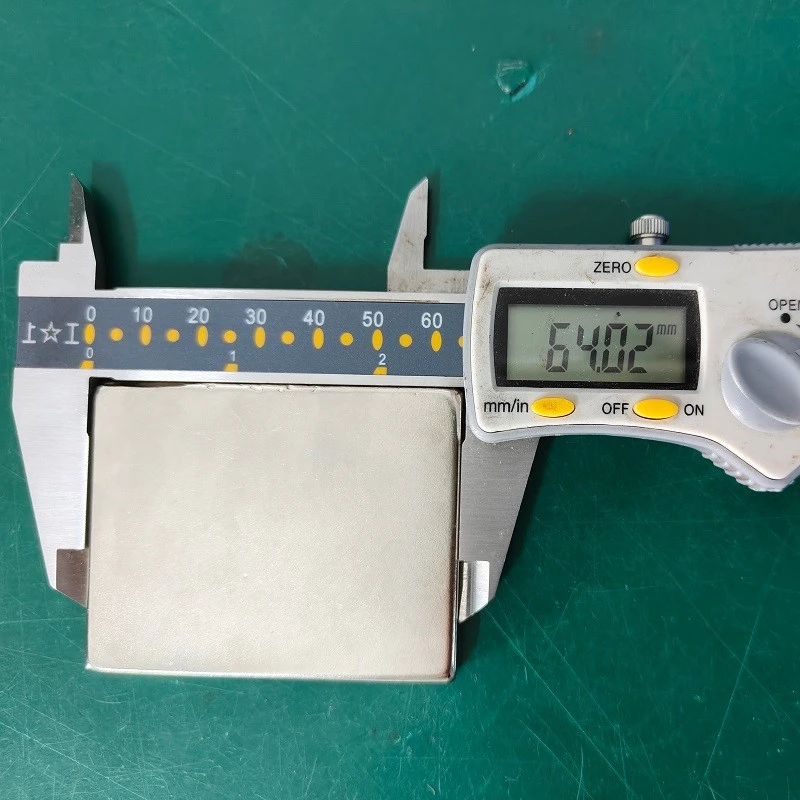
The size and shape of a neodymium magnet can also affect its strength. Generally, larger magnets tend to be stronger than smaller magnets, but this is not always the case. The shape of the magnet can also affect its magnetic field distribution, which can impact its overall strength and performance.
Temperature
Neodymium magnets are sensitive to temperature, and their strength can decrease as the temperature increases. This is known as the Curie temperature, which is the temperature at which the magnet loses its magnetic properties. The Curie temperature for neodymium magnets is typically around 310°C to 400°C, depending on the composition of the alloy.
Applications of Neodymium Magnets
The strength and versatility of neodymium magnets make them suitable for a wide range of applications, including:
Electronics
Neodymium magnets are used in a variety of electronic devices, such as hard disk drives, speakers, headphones, and motors. In hard disk drives, the magnets are used to read and write data to the disk. In speakers and headphones, the magnets are used to convert electrical signals into sound waves. In motors, the magnets are used to create a magnetic field that drives the rotation of the motor.
Renewable Energy
Neodymium magnets are also used in renewable energy technologies, such as wind turbines and electric vehicles. In wind turbines, the magnets are used to generate electricity by converting the mechanical energy of the wind into electrical energy. In electric vehicles, the magnets are used in the motors to drive the wheels.
Medical Devices
Neodymium magnets are used in a variety of medical devices, such as MRI machines, magnetic therapy products, and drug delivery systems. In MRI machines, the magnets are used to create a strong magnetic field that allows doctors to image the inside of the body. In magnetic therapy products, the magnets are used to relieve pain and inflammation. In drug delivery systems, the magnets are used to target drugs to specific areas of the body.
Industrial Applications
Neodymium magnets are used in a variety of industrial applications, such as magnetic separators, lifting magnets, and magnetic chucks. In magnetic separators, the magnets are used to separate magnetic materials from non-magnetic materials. In lifting magnets, the magnets are used to lift and move heavy objects. In magnetic chucks, the magnets are used to hold workpieces in place during machining operations.
Safety Considerations
While neodymium magnets are incredibly strong and useful, they can also be dangerous if not handled properly. Here are some safety considerations to keep in mind when working with neodymium magnets:
Pinch Hazards
Neodymium magnets are very strong, and they can attract each other with a lot of force. If two magnets come into contact with each other, they can pinch your fingers or other body parts, causing serious injury. Always handle neodymium magnets with care, and keep them away from children and pets.
Magnetic Interference
Neodymium magnets can interfere with electronic devices, such as pacemakers, credit cards, and electronic keys. If you have a pacemaker or other electronic medical device, you should avoid contact with neodymium magnets. If you need to work with neodymium magnets, make sure you keep them away from your electronic devices.
Corrosion
Neodymium magnets are prone to corrosion, especially in humid or salty environments. To prevent corrosion, you should coat the magnets with a protective layer, such as nickel or zinc. You should also store the magnets in a dry place, away from moisture and humidity.
Conclusion
Neodymium magnets are incredibly strong and versatile, making them suitable for a wide range of applications in various industries. As a neodymium magnet supplier, I'm proud to offer high-quality magnets that meet the needs of our customers. Whether you're looking for N54 Square Neodymium Magnets for your electronic devices or renewable energy projects, or you need magnets for your medical devices or industrial applications, we have the expertise and experience to provide you with the right solution.
If you're interested in learning more about neodymium magnets or would like to discuss your specific requirements, please don't hesitate to contact us. We're always happy to help and look forward to working with you.
References
- "Neodymium Magnets: Properties, Applications, and Safety Considerations." ScienceDirect.
- "The Strength of Neodymium Magnets." Physics World.
- "Applications of Neodymium Magnets in Renewable Energy." Renewable Energy World.


