


Hey there! As a neodymium magnet supplier, I often get asked about the acoustic properties of these super - strong magnets. So, let's dive right in and explore what makes neodymium magnets unique when it comes to sound.
First off, what are neodymium magnets? Neodymium magnets are a type of rare - earth magnet. They're made from an alloy of neodymium, iron, and boron (Nd₂Fe₁₄B). These magnets are known for their incredibly high magnetic strength. Compared to other types of magnets like ceramic or alnico magnets, neodymium magnets pack a much more powerful punch in a smaller size.
Now, onto the acoustic properties. One of the most important aspects is their role in audio devices. Neodymium magnets are widely used in speakers. You see, speakers work by converting electrical signals into sound waves. Inside a speaker, there's a coil of wire (the voice coil) placed in the magnetic field created by the magnet. When an electrical current passes through the voice coil, it creates a magnetic field that interacts with the field of the neodymium magnet. This interaction causes the voice coil to move back and forth, which in turn moves the speaker cone, producing sound.
The high magnetic strength of neodymium magnets allows for more efficient conversion of electrical energy into mechanical energy. In simpler terms, it means that speakers with neodymium magnets can produce louder and clearer sound with less power consumption. This is a huge advantage, especially for portable audio devices like headphones and small Bluetooth speakers. With neodymium magnets, manufacturers can make smaller and lighter speakers without sacrificing sound quality.
Another acoustic property is related to the magnetic field's stability. Neodymium magnets have excellent magnetic stability over a wide range of temperatures. This is crucial for audio applications because temperature changes can affect the performance of magnets. If a magnet loses its magnetic strength due to temperature variations, the sound quality of the speaker will degrade. But neodymium magnets maintain their magnetic properties even in extreme temperatures, ensuring consistent sound output.
In the world of musical instruments, neodymium magnets also play a significant role. For example, in electric guitars, pickups are used to convert the vibrations of the strings into electrical signals. Many high - end pickups use neodymium magnets. The strong magnetic field of neodymium magnets can capture the string vibrations more effectively, resulting in a richer and more detailed sound. Musicians often prefer pickups with neodymium magnets because they can produce a wider range of tones, from warm and mellow to bright and aggressive.

Now, let's talk about the resonance characteristics of neodymium magnets. Resonance is when an object vibrates at its natural frequency. In the context of neodymium magnets in audio devices, resonance can have both positive and negative effects. On one hand, a well - designed speaker with neodymium magnets can use resonance to enhance certain frequencies, giving the sound more depth and character. On the other hand, if the resonance is not properly controlled, it can cause unwanted distortion. Manufacturers have to carefully engineer the design of speakers and other audio components to ensure that the resonance of neodymium magnets works in their favor.
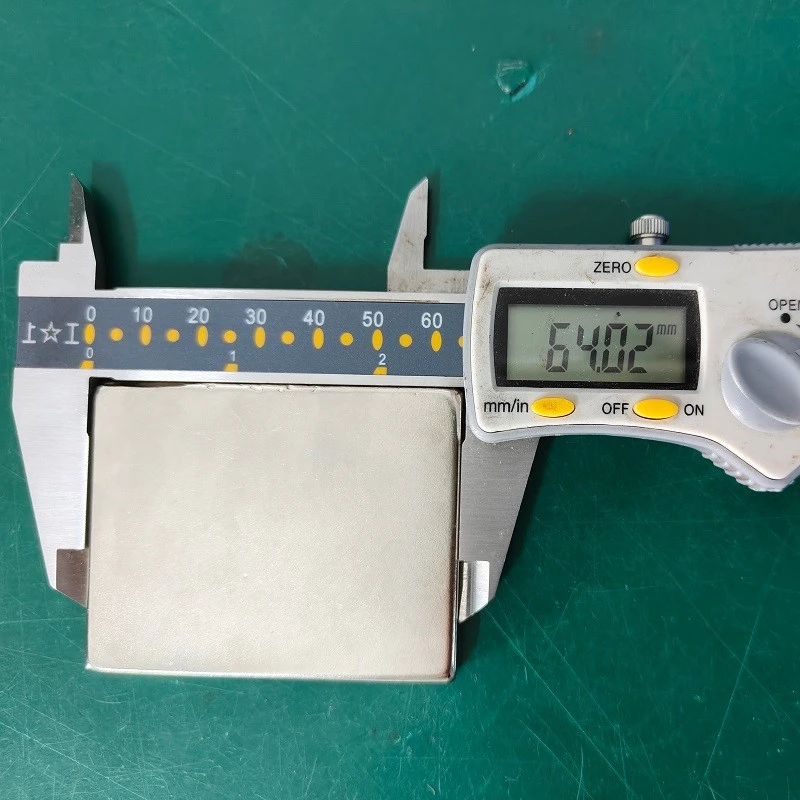
When it comes to the quality of neodymium magnets, not all are created equal. The grade of the neodymium magnet can significantly affect its acoustic properties. For example, the N54 grade is one of the highest - performing neodymium magnet grades available. N54 Square Neodymium Magnets offer even stronger magnetic fields compared to lower - grade magnets. This means that speakers or musical instrument pickups using N54 neodymium magnets can potentially produce even better sound quality, with more power and precision.
However, it's important to note that working with neodymium magnets also has some challenges. Their high magnetic strength means that they can attract ferromagnetic materials very strongly. This can be a problem in audio devices if there are loose metal parts nearby, as they can be pulled towards the magnet and cause interference or damage. Also, neodymium magnets are brittle and can crack or chip if they're not handled properly.
As a neodymium magnet supplier, I've seen firsthand the impact these magnets have on the audio industry. Whether you're a speaker manufacturer looking to improve the performance of your products or a musician in search of the perfect pickup for your guitar, neodymium magnets offer a lot of benefits.
If you're interested in purchasing neodymium magnets for your acoustic applications, I'd love to talk to you. I can provide you with high - quality magnets in various grades and shapes to suit your specific needs. Whether you need small disc - shaped magnets for earbuds or large block - shaped magnets for professional speakers, I've got you covered. Don't hesitate to reach out and start a conversation about how neodymium magnets can take your audio products to the next level.
References
- "Magnetism and Magnetic Materials" by David Jiles
- "Audio Engineering Handbook" by Glen Ballou
- Industry reports on neodymium magnet applications in audio devices


