


Neodymium magnets, renowned for their exceptional magnetic strength, are widely used in various industries, from electronics to automotive and renewable energy. However, these powerful magnets are prone to corrosion due to their composition, primarily neodymium, iron, and boron. To enhance their durability and longevity, different coating options are available. As a neodymium magnet supplier, I'll delve into these coating choices to help you make an informed decision for your specific applications.
Epoxy Coating
Epoxy coating is a popular choice for neodymium magnets. It is a polymer-based coating that provides excellent protection against corrosion. The epoxy forms a hard, durable layer over the magnet's surface, preventing moisture and oxygen from reaching the magnet material. This is particularly important in environments where the magnets are exposed to humidity or harsh chemicals.
One of the advantages of epoxy coating is its ability to be customized. It can be applied in different thicknesses and colors, depending on the requirements of the application. For instance, in some aesthetically sensitive applications, a colored epoxy coating can be used to match the overall design. Additionally, epoxy coatings can be formulated to have specific properties, such as high temperature resistance or electrical insulation.
However, epoxy coating also has its limitations. It may not be as resistant to mechanical wear as some other coatings. In applications where the magnets are subject to abrasion or impact, the epoxy coating may chip or peel, exposing the magnet to potential corrosion. Therefore, it's crucial to consider the operating conditions when choosing an epoxy-coated magnet.
Nickel Coating
Nickel coating is another common option for neodymium magnets. It is a metallic coating that offers good corrosion resistance and a smooth, shiny finish. Nickel is electroplated onto the magnet surface, creating a uniform and adherent layer.

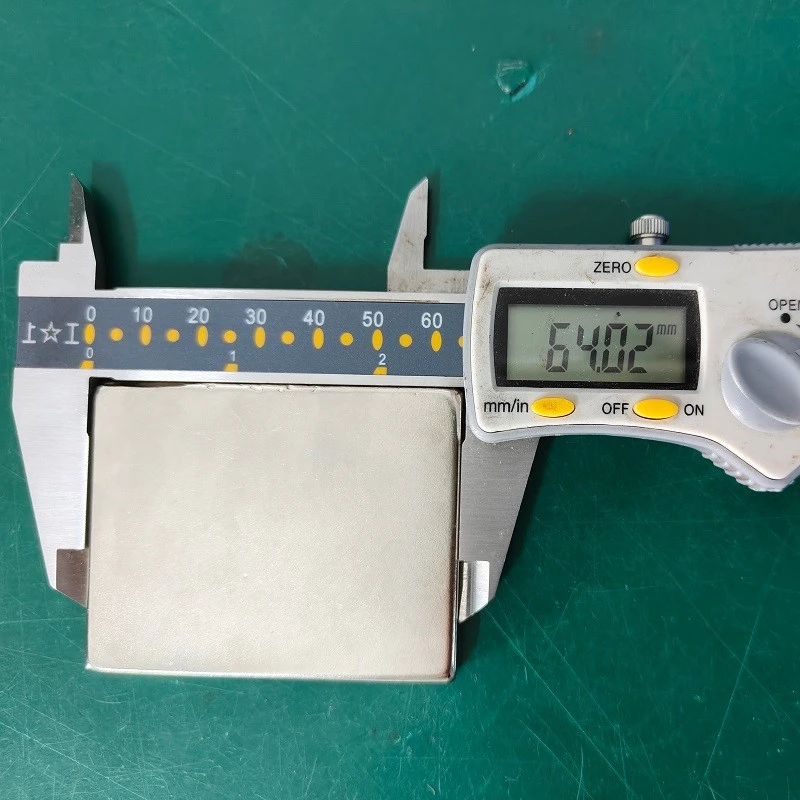
The corrosion resistance of nickel coating is due to its ability to form a passive oxide layer on its surface. This oxide layer acts as a barrier, preventing further oxidation of the magnet material. Nickel-coated magnets are suitable for a wide range of applications, including consumer electronics, where the magnets need to maintain their appearance and performance over time.
In addition to corrosion resistance, nickel coating also provides some degree of mechanical protection. It can withstand moderate abrasion and impact, making it a good choice for applications where the magnets may come into contact with other components. However, nickel coating may not be suitable for applications where the magnets are exposed to strong acids or alkalis, as these chemicals can dissolve the nickel layer.
Zinc Coating
Zinc coating is a cost-effective option for protecting neodymium magnets. Zinc is a sacrificial metal, which means that it corrodes preferentially to the magnet material. When the zinc coating is exposed to moisture and oxygen, it forms a layer of zinc oxide, which protects the underlying magnet from corrosion.
Zinc-coated magnets are commonly used in applications where cost is a major consideration, such as in some industrial and consumer products. However, the corrosion resistance of zinc coating is not as high as that of nickel or epoxy coating. In harsh environments, the zinc coating may corrode relatively quickly, requiring more frequent replacement of the magnets.
Gold Coating
Gold coating is a premium option for neodymium magnets. Gold is a noble metal that is highly resistant to corrosion and oxidation. It provides excellent protection for the magnet, even in the most extreme environments.
Gold-coated magnets are often used in high-end applications, such as in aerospace, medical, and jewelry industries. The gold coating not only protects the magnet but also adds a luxurious and aesthetically pleasing appearance. However, the high cost of gold makes it a less practical option for most general applications.
Parylene Coating
Parylene coating is a thin, conformal coating that offers excellent moisture and chemical resistance. It is applied using a vapor deposition process, which allows the coating to conform to the shape of the magnet precisely.
Parylene-coated magnets are suitable for applications where the magnets need to be protected from moisture and chemicals in a very thin and lightweight form. For example, in some microelectronic devices, parylene coating can be used to protect the magnets without adding significant weight or bulk. However, the application process of parylene coating is relatively complex and expensive, which limits its widespread use.
Choosing the Right Coating
When choosing a coating for neodymium magnets, several factors need to be considered. Firstly, the operating environment is crucial. If the magnets will be used in a humid or corrosive environment, a coating with high corrosion resistance, such as nickel or epoxy, is recommended. On the other hand, if the magnets will be used in a dry and clean environment, a less expensive coating, such as zinc, may be sufficient.
Secondly, the mechanical requirements of the application should be taken into account. If the magnets will be subject to abrasion or impact, a coating with good mechanical strength, such as nickel, is a better choice. Additionally, the aesthetic requirements of the application may also influence the coating selection. For example, in some consumer products, a shiny nickel or gold coating may be preferred for its appearance.
Our Offerings
As a neodymium magnet supplier, we offer a wide range of coated neodymium magnets to meet the diverse needs of our customers. Our magnets are available in various shapes, sizes, and grades, including the N54 Square Neodymium Magnets. We use high-quality coating materials and advanced coating processes to ensure the performance and durability of our magnets.
Whether you need a small quantity of magnets for a research project or a large volume for industrial production, we can provide you with the right solution. Our team of experts is always ready to assist you in choosing the appropriate coating and magnet grade for your specific application.
Contact Us for Purchase
If you are interested in purchasing neodymium magnets or have any questions about our coating options, please feel free to contact us. We are committed to providing you with the best products and services. Our sales team will be happy to discuss your requirements and provide you with a competitive quote.
References
- "Magnet Coating Technologies" - Journal of Magnetism and Magnetic Materials
- "Corrosion Protection of Neodymium Magnets" - International Journal of Corrosion
- "Advanced Coating Materials for High-Performance Magnets" - Materials Science and Engineering


